From an early age, I was preoccupied with questions about human behavior and inequality: why injustice exists, why some grow up in privilege while others face scarcity, and why illness, loss, and harm are so unevenly distributed. Most of all, I kept returning to one question: what can I do to help? These questions have stayed with me and continue to shape how I see and move through the world. They led me to psychology.


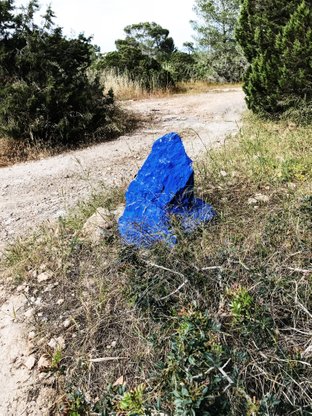
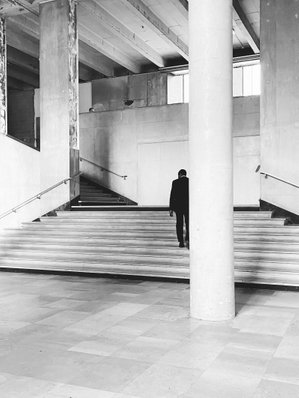
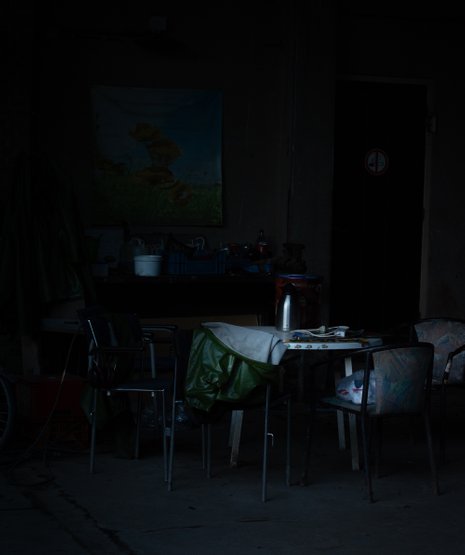
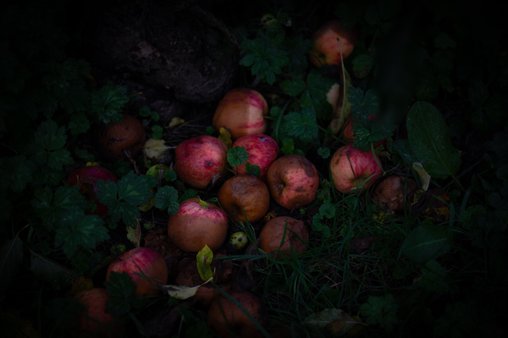
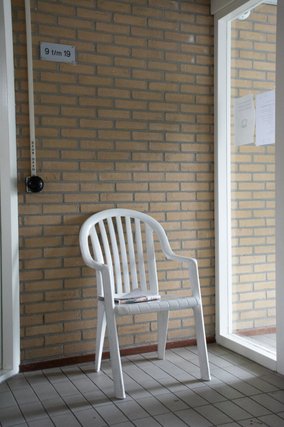
Alongside psychology, I have always been creative, although only in recent years have, I allowed myself the time and space to fully commit to this part of me. I experience myself as a visual thinker and artist, someone who does not primarily think in words, but in images. This way of perceiving continues to inform both my psychological work and my artistic practice.


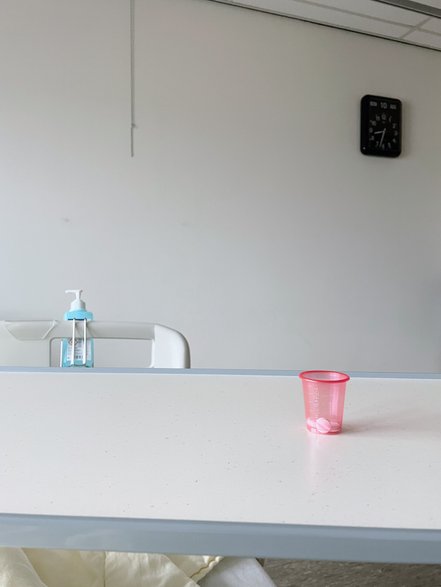
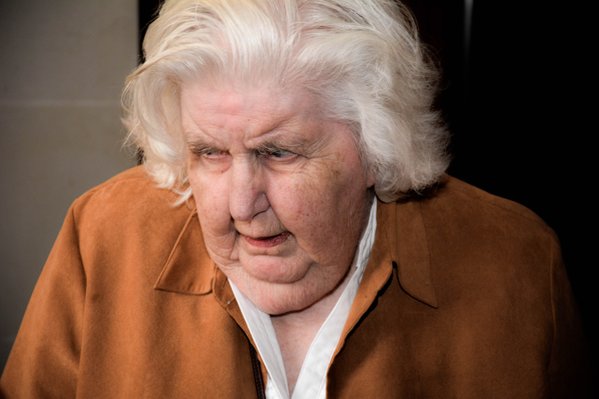
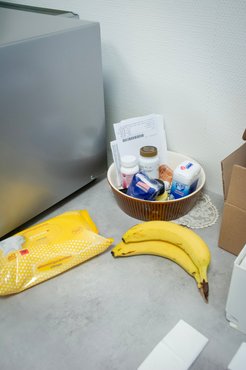
As a visual artist and psychologist, I am drawn to what is often left unspoken: invisible suffering, emotional pain that goes unwitnessed, and the realities we are encouraged to keep behind closed doors. My work is driven by an urgency to break silences around intergenerational trauma and systemic inequality, particularly within healthcare, where dismissal and misrecognition continue to shape experiences of conditions such as endometriosis. I return to this because silence is never neutral; it has consequences, accumulating in bodies, stories, and systems of care. Acknowledging this, while still insisting on the necessity of expression, is where my work begins.


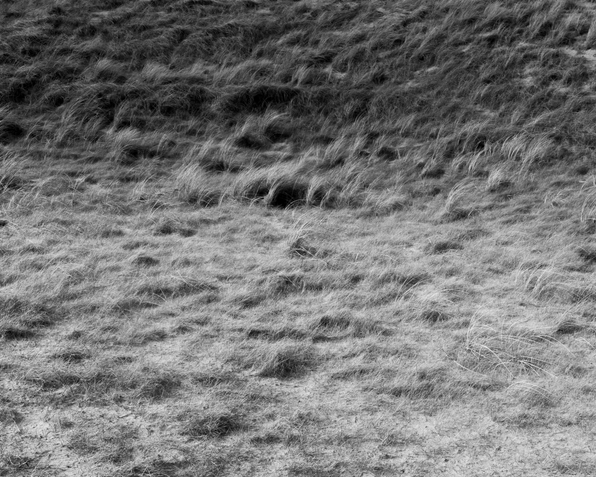
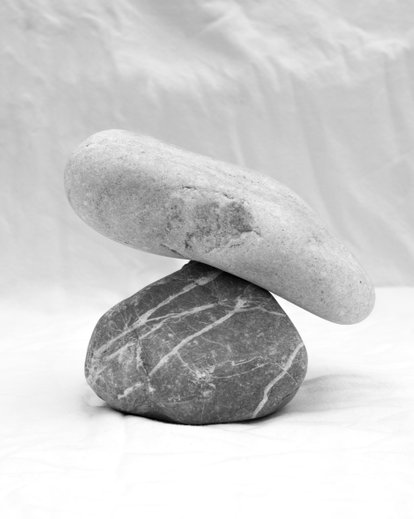
I try to stay close to the experiences of others without claiming them as my own, holding space for multiple truths to exist at once. My practice weaves together psychology, photography, and research, including visual and historical inquiry and interactive installations. Through this, I do not aim to resolve complexity, but to remain with it - opening space for dialogue, recognition, and shared questioning.